
Elemental Society
The Annual Convening
A curated evening in the spirit of the old-world salon.
By invitation only. Details are shared discreetly.
Request Consideration →Once Each Year
Part council. Part celebration.
Once each year, Elemental Society gathers in person for a single, carefully curated evening. Founders, patrons, and cultural architects come together around one long table for rigorous dialogue, a formal dinner, and an atmosphere designed for both intellectual depth and genuine enjoyment.
Depth and delight are not opposites.
The Tradition
What Was a Salon?
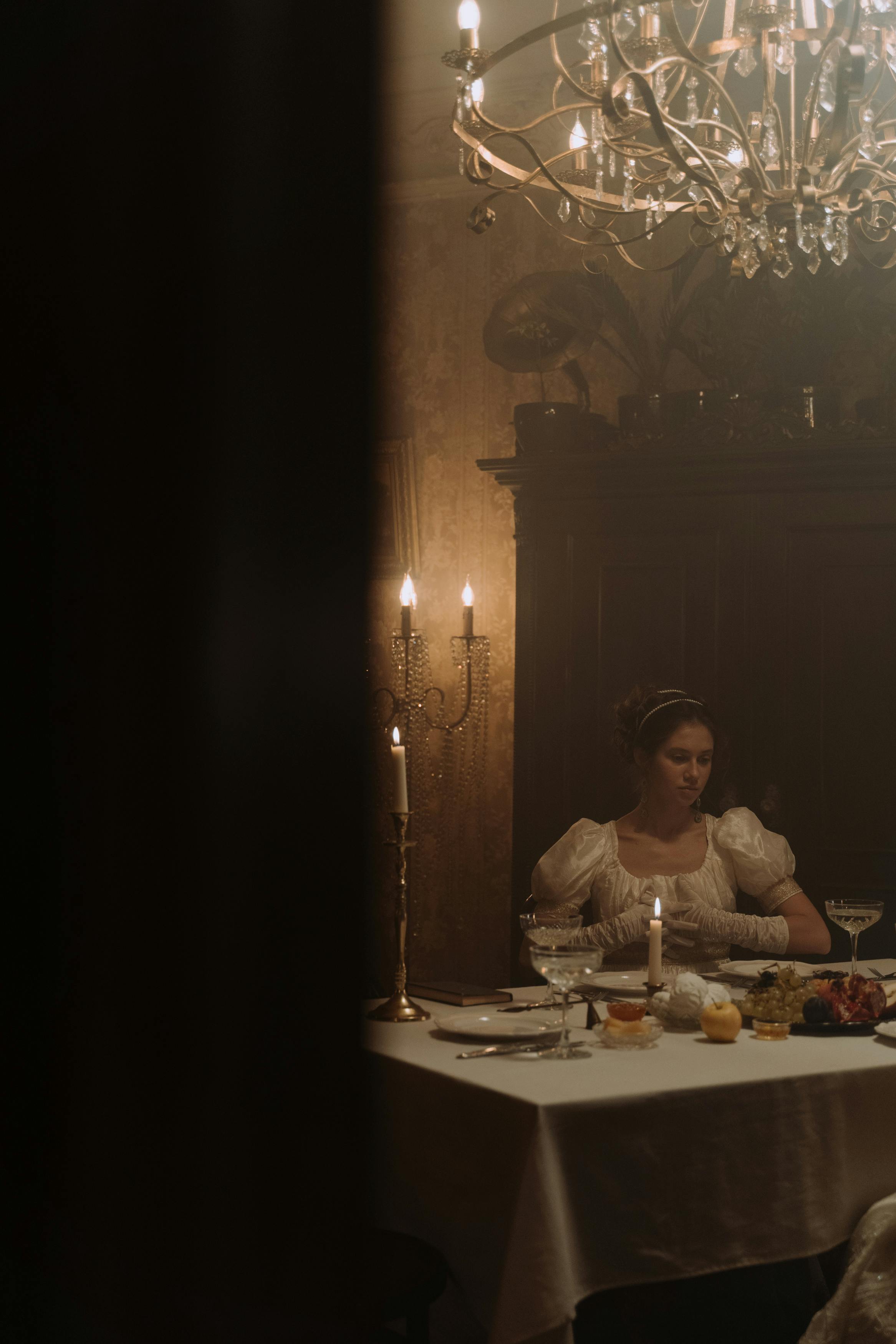
In the 17th and 18th centuries, many of the most consequential conversations in Europe did not happen in parliaments or palaces. They happened in drawing rooms.
In Paris, hosts such as Madame Geoffrin and Julie de Lespinasse opened their homes to philosophers, scientists, writers, and statesmen. Guests were chosen with care. A new idea, a new book, or a pointed question set the course of the evening, and a person’s standing at the table came from the quality of their thinking, not the title they held.
The host’s art was the room itself: who sat beside whom, which question was asked, and how disagreement was kept both civil and alive.
The Enlightenment
Where Ideas Were Argued Into Being
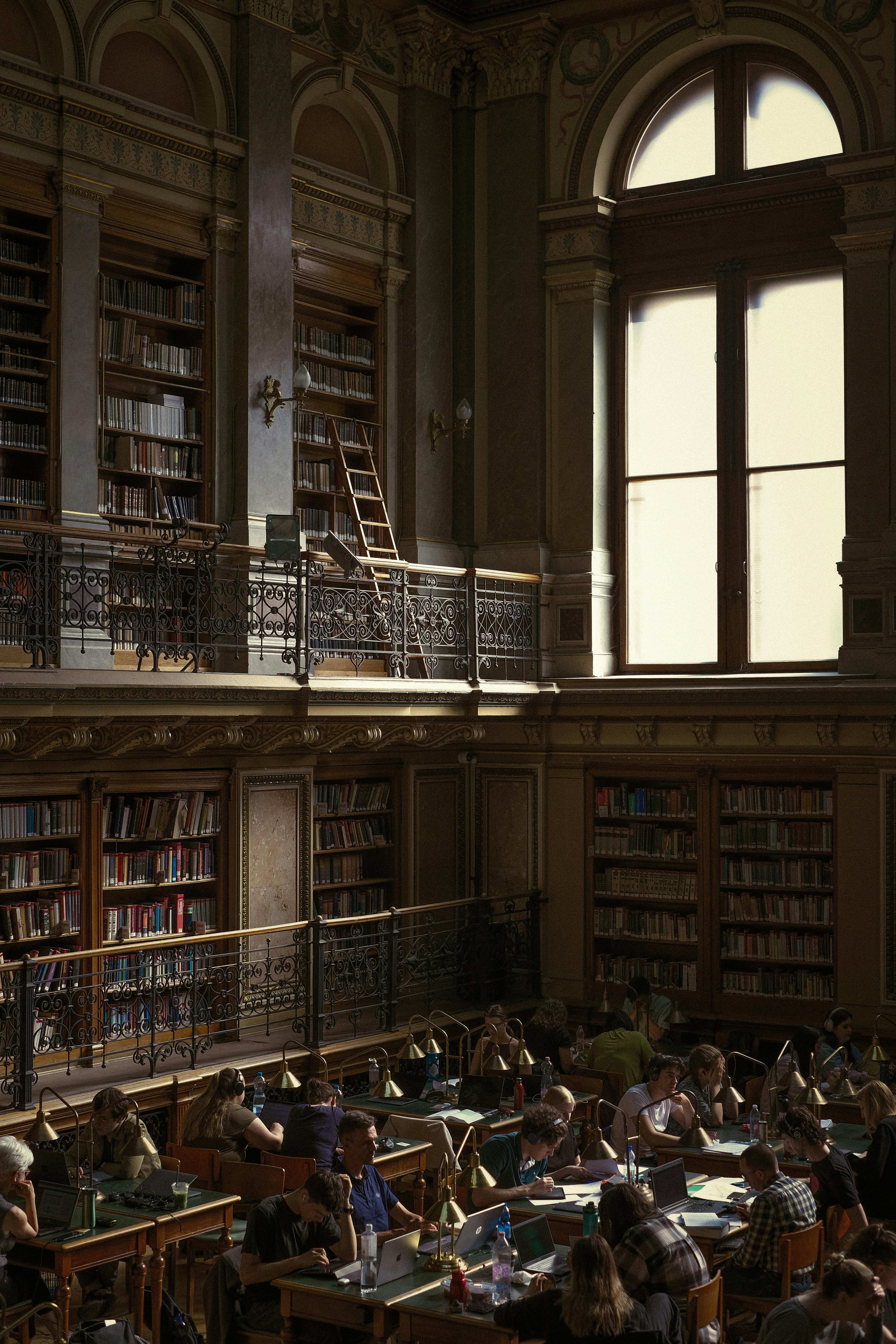
The salons were the living rooms of the Enlightenment. Montesquieu, Diderot, d’Alembert, and the circle behind the great Encyclopédie tested their ideas at these tables long before those ideas reached print.
Reason over dogma. Liberty of conscience. Natural rights. And the radical notion that government rests on the consent of the governed. These were not slogans. They were questions, debated late into the night by people who expected one another to think for themselves.
From Conversation to Revolution
Ideas Crossed the Table, Then the Atlantic
“Revolutions begin as conversations.”
For better and for worse, the modern world was remade by ideas first spoken across a table. We gather in that tradition, with the conviction that how we think together shapes how we live together.
The Evening
A Carefully Crafted Assembly
- A handwritten invitation, sealed in wax
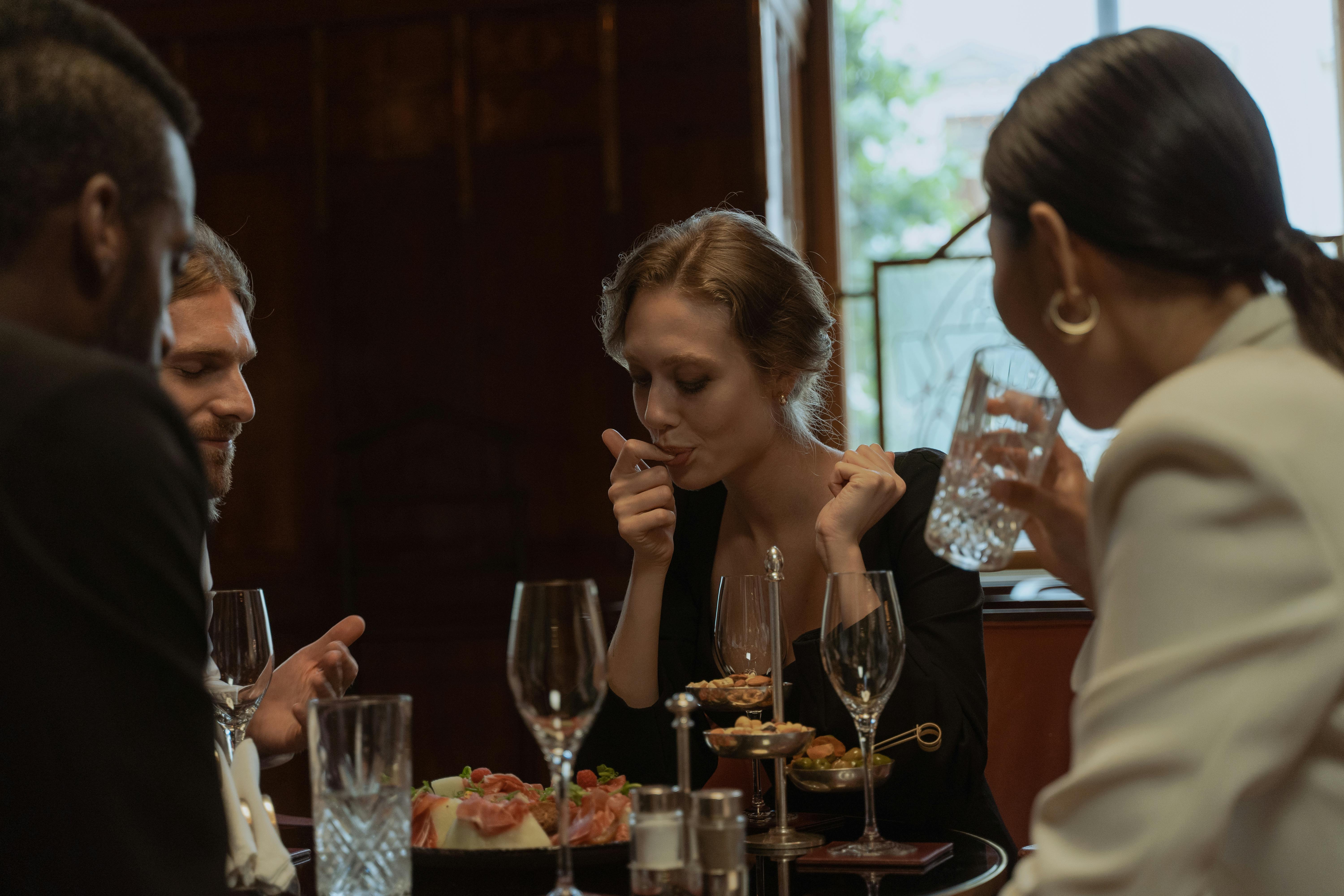
- A formal, catered dinner at one long table
- A single, carefully chosen question to guide the night
- Honest disagreement, held with grace
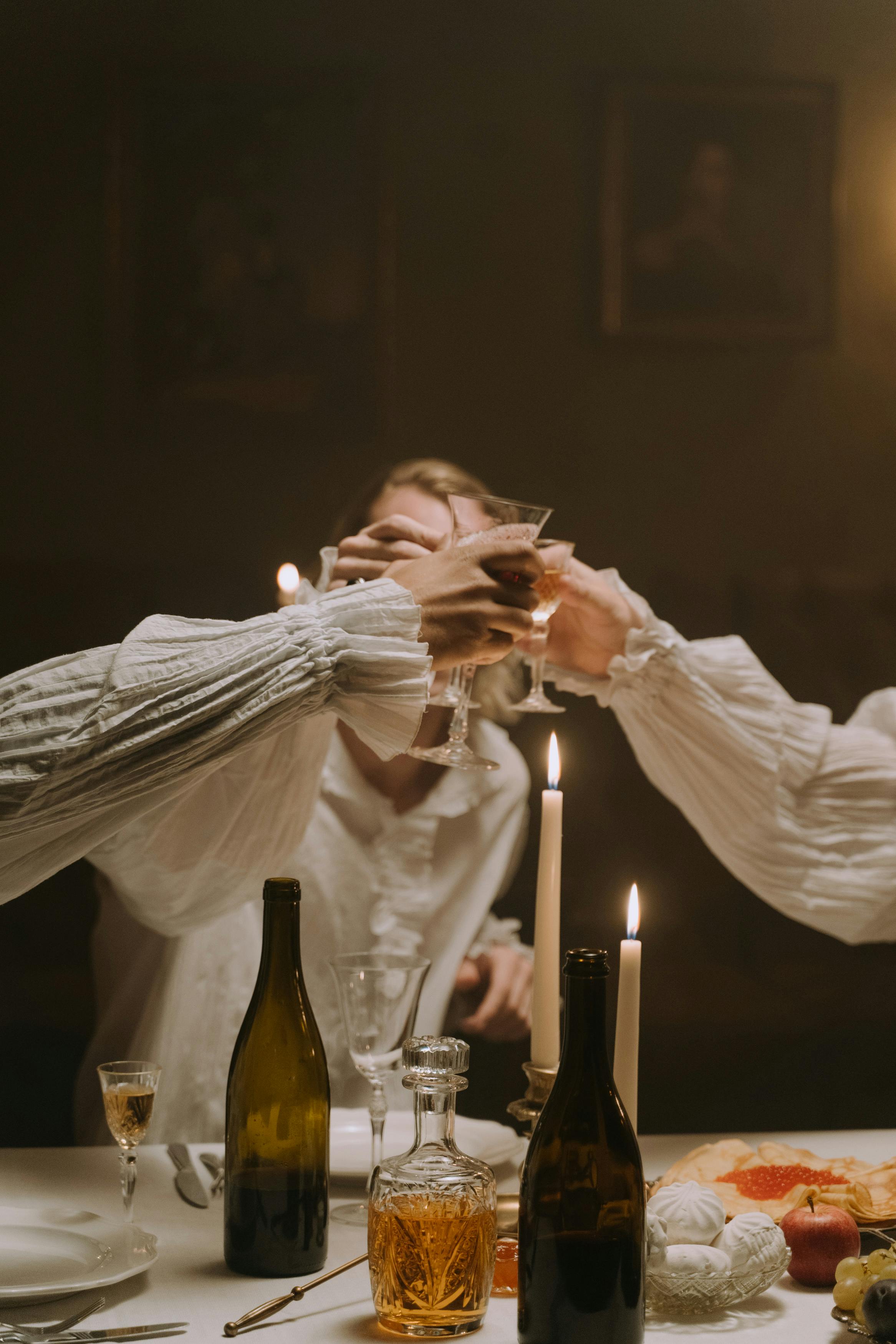
- Music, beauty, and unhurried conversation
This is not a conference. We believe serious work deserves serious celebration.
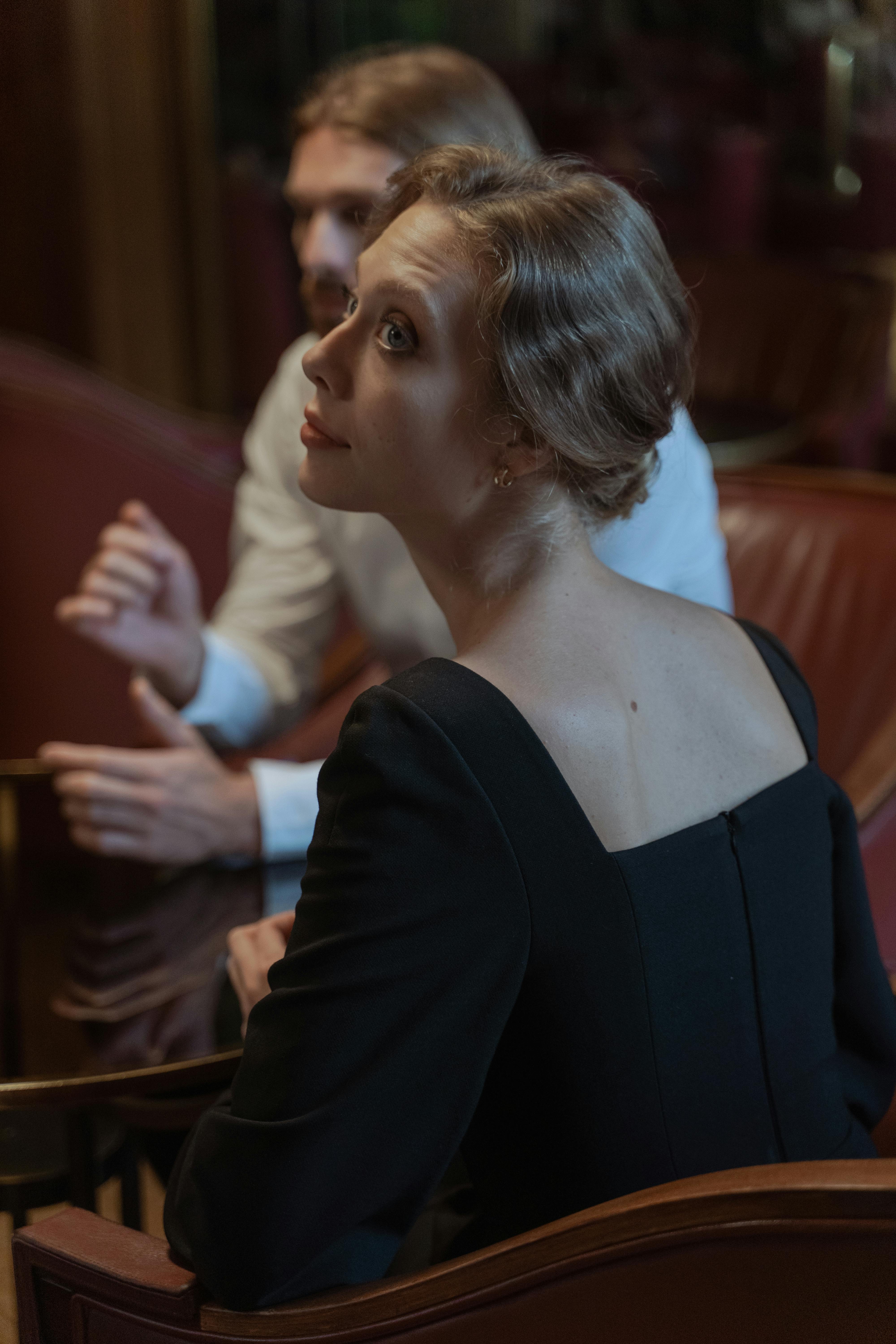
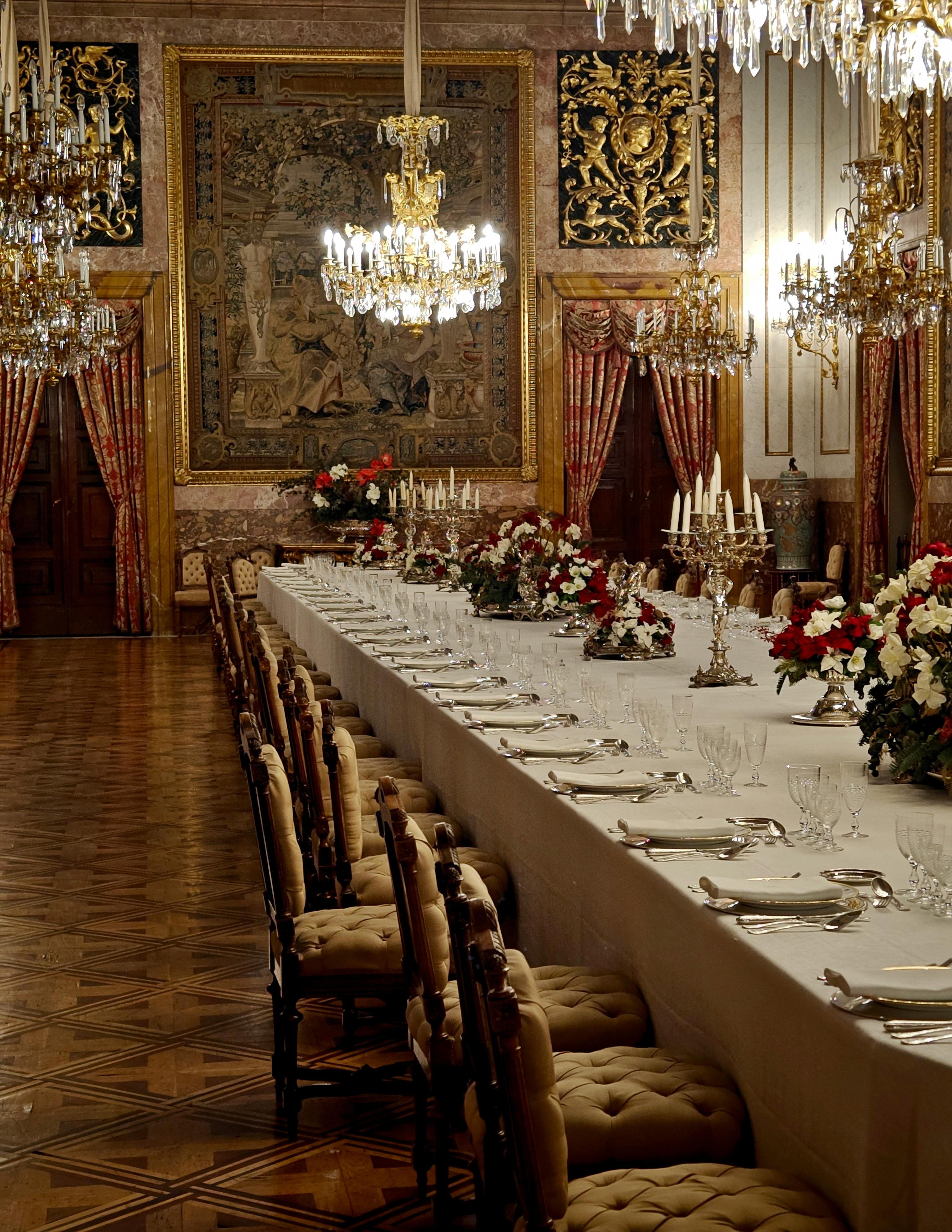
At the Table
The Kind of Questions We Ask
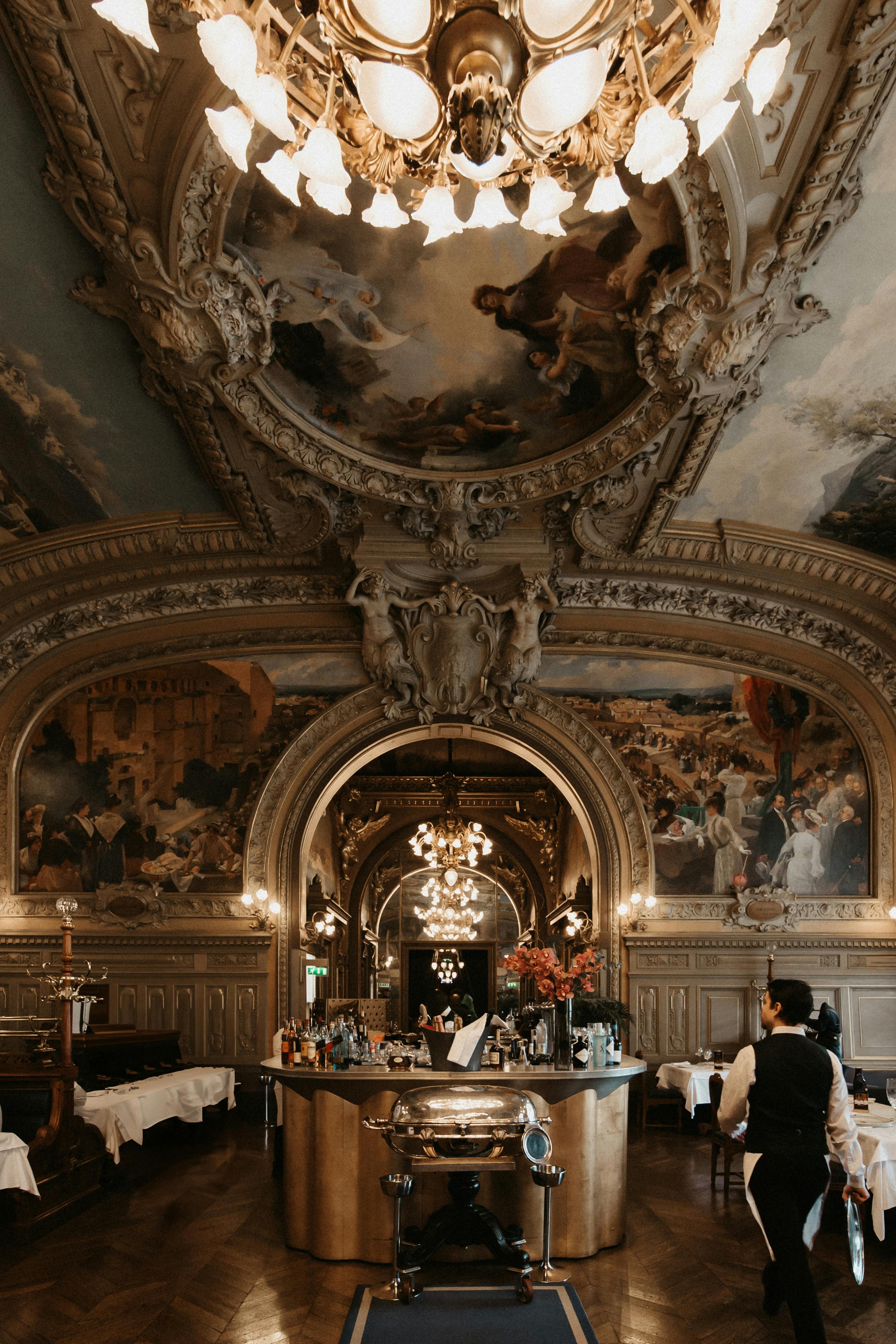
By Invitation
Why the Room Is Kept Small
The quality of a conversation depends entirely on who is present. Like the great salon hosts before us, we curate the room deliberately so that every guest feels safe to speak honestly and think rigorously.
Seats are limited. Participation is by invitation only, and details are shared discreetly with those who are invited.
All proceeds from the evening go to charity.
“Never doubt that a small group of thoughtful, committed, citizens can change the world. Indeed, it is the only thing that ever has.”
Margaret Mead, American cultural anthropologist
